
- +919539568888
- sales@eleganthifab.com
Blog Details
Mon-Mar-2026 11:32:08
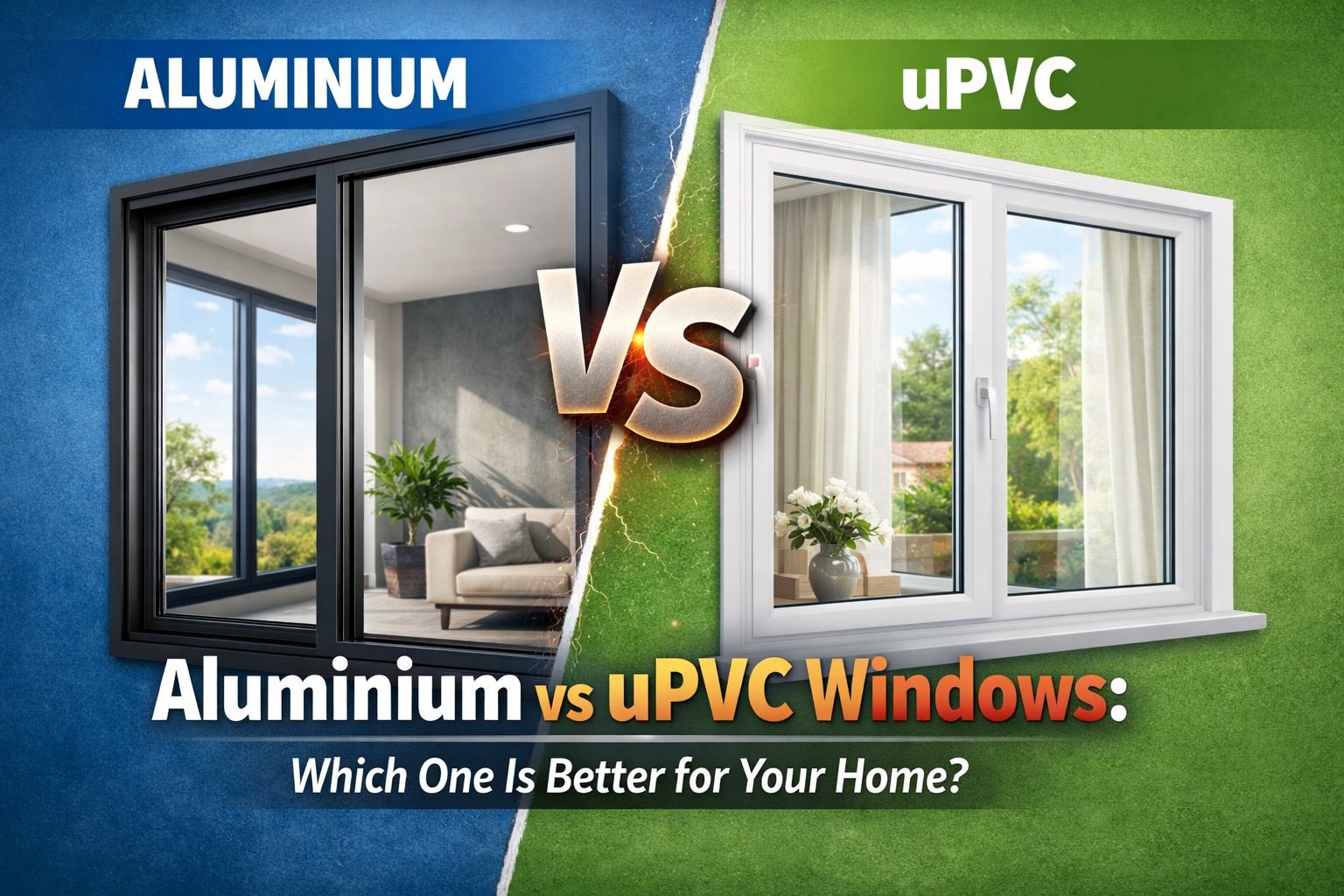
Aluminium vs UPVC Windows: Which One Is Better for Your Home?
Choosing between aluminium and uPVC windows depends on your budget, design preference, and performance needs. uPVC windows are known for excellent thermal insulation, soundproofing, and low maintenance, making them a cost-effective choice for most homes.
Choosing the right windows for your home is more than just a design decision—it directly impacts comfort, energy efficiency, durability, and long-term costs. With modern construction trends evolving, homeowners are often confused between aluminium and uPVC windows. Both materials have their own advantages, but selecting the right one depends on your lifestyle, climate, and maintenance preferences. In regions like Kerala, where weather conditions can be demanding, the debate becomes even more relevant. Many homeowners exploring Upvc Windows in Kochi are now comparing them with aluminium options to make an informed and practical choice.
Understanding the Basics: Aluminium vs uPVC
Before comparing, it is important to understand what each material offers. Aluminium windows are made from lightweight metal frames known for their strength and sleek appearance. They are often used in modern architecture for their slim profiles and ability to support large glass panels.
uPVC (unplasticised polyvinyl chloride), on the other hand, is a durable, non-corrosive material specifically designed for construction. It is widely used for window and door frames because of its insulation properties, weather resistance, and low maintenance nature.
Durability and Weather Resistance
One of the most important factors when choosing windows is how well they perform under different weather conditions. Kerala’s climate includes heavy rainfall, high humidity, and in some areas, exposure to salty coastal air.
Aluminium windows are strong and can withstand structural pressure, but they are prone to corrosion over time, especially in coastal environments. Without proper coating and maintenance, they may develop rust or surface damage.
uPVC windows, however, are highly resistant to moisture and do not corrode. They do not swell, crack, or warp even during heavy monsoons. This makes them particularly suitable for regions with extreme humidity and rainfall, offering consistent performance over the years.
Maintenance Requirements
Maintenance is a major consideration for modern homeowners who prefer convenience. Aluminium windows require periodic maintenance, including cleaning, repainting, or applying protective coatings to prevent corrosion. Over time, these tasks can become both time-consuming and costly.
In contrast, uPVC windows are extremely low maintenance. They do not require painting or polishing and can be easily cleaned with a damp cloth and mild detergent. Their colour and finish remain intact for years without fading or peeling. For busy households, this ease of maintenance makes uPVC a more practical choice.
Energy Efficiency and Insulation
Energy efficiency plays a crucial role in maintaining indoor comfort and reducing electricity bills. Windows that allow heat transfer can increase indoor temperatures, especially in warm climates.
Aluminium is a metal and conducts heat easily. This means it can allow external heat to enter the home, making interiors warmer and increasing reliance on cooling systems.
uPVC, on the other hand, offers excellent thermal insulation. Its structure reduces heat transfer, helping maintain a comfortable indoor temperature. When combined with double glazing, uPVC windows significantly improve energy efficiency, making them ideal for tropical climates like Kerala.
Noise Reduction and Indoor Comfort
Noise pollution is becoming increasingly common in urban areas. Homes located near busy roads or commercial zones often struggle with unwanted noise.
Aluminium windows provide basic sound insulation, but they are not as effective as uPVC when it comes to blocking external noise.
uPVC windows offer superior soundproofing due to their tight sealing and insulation properties. This creates a quieter indoor environment, enhancing comfort and overall quality of life.
Aesthetic Appeal and Design Flexibility
Aluminium windows are often preferred for their sleek and modern appearance. Their slim frames allow for larger glass panels, making them suitable for contemporary designs that prioritise minimalism and open views.
uPVC windows, while slightly thicker in frame design, offer a wide range of styles and finishes. They are available in sliding, casement, and tilt-and-turn options, along with various colours and wood-like textures. This versatility allows homeowners to match both traditional and modern architectural styles.
Strength and Structural Capability
Aluminium is known for its strength and rigidity, making it suitable for large window structures and high-rise buildings. It can support bigger glass panels without compromising structural stability.
uPVC is also strong but is generally better suited for standard residential window sizes. However, modern uPVC systems often include reinforcements that enhance their strength, making them reliable for most home applications.
Cost Considerations and Long-Term Value
Initial cost is often a deciding factor when choosing between materials. Aluminium windows may sometimes have a comparable or slightly lower upfront cost depending on design and quality.
However, long-term value tells a different story. Aluminium windows may incur additional costs due to maintenance, repainting, and potential corrosion treatment.
uPVC windows, while sometimes slightly higher in initial investment, offer significant savings over time due to minimal maintenance and longer lifespan. This makes them a cost-effective solution in the long run.
Environmental Impact and Sustainability
Sustainability is an important aspect of modern home construction. Aluminium is recyclable but requires high energy consumption during production.
uPVC windows contribute to energy efficiency by reducing heat transfer, which lowers energy usage in homes. Many uPVC products are also recyclable, making them a responsible choice for environmentally conscious homeowners.
Which One Should You Choose?
The choice between aluminium and uPVC windows ultimately depends on your priorities. If you prefer ultra-slim frames and a modern aesthetic for large glass installations, aluminium may be suitable. However, if you prioritise durability, low maintenance, energy efficiency, and resistance to Kerala’s climate, uPVC windows offer clear advantages.
For most residential homes, especially in regions with high humidity and heavy rainfall, uPVC provides a balanced solution that combines practicality with long-term performance.
Conclusion
Selecting the right window material is a crucial decision that influences your home’s comfort, efficiency, and maintenance needs for years to come. While aluminium windows offer strength and a sleek appearance, uPVC windows stand out for their durability, insulation, and low-maintenance benefits. For homeowners seeking a reliable and cost-effective solution tailored to Kerala’s climate, upvc windows in Cochin continue to be a preferred choice. By carefully evaluating your needs and priorities, you can choose a window solution that not only enhances your home’s aesthetics but also delivers lasting value and comfort.